Soboba Band of Luiseño Indians
Special to Valley News
With a mission to conserve the desert through preservation, education, and appreciation, The Living Desert Zoo and Gardens in Palm Desert has implemented a highly successful Tribal youth program and is looking to expand its reach. With a need and desire to connect people to nature, especially those who have not yet had the privilege to do so, engaging youth has proven to be a solid path to take.
“We also uphold that conservation cannot be successful without engaging people from all communities as ambassadors, advocates, and leaders,” said Belle Macatubal, Assistant Conservation Social Scientist for the Living Desert.
The Living Desert began partnering with the Torres Martinez Desert Cahuilla Indians Tribe and Outward Bound Adventures in 2022 to create future conservationists among its youth. The program titled ‘Torres Martinez Youth Environmental Ambassadors’ (TM-YEA) aims to reconnect Torres Martinez youth with their ancestral land and introduce them to various conservation topics.
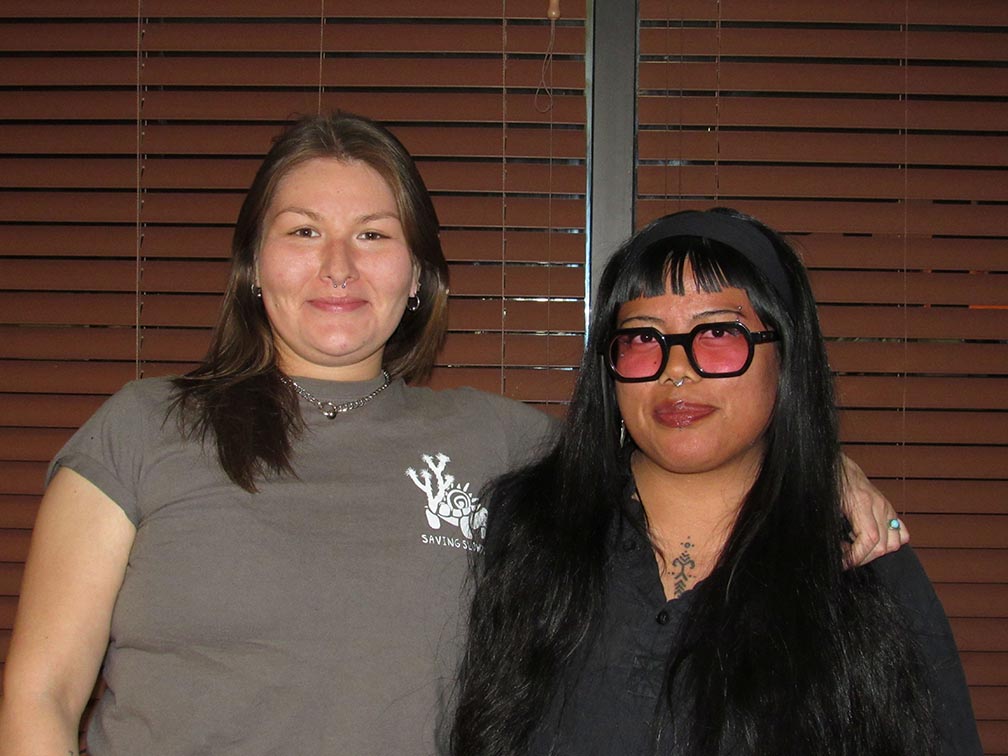
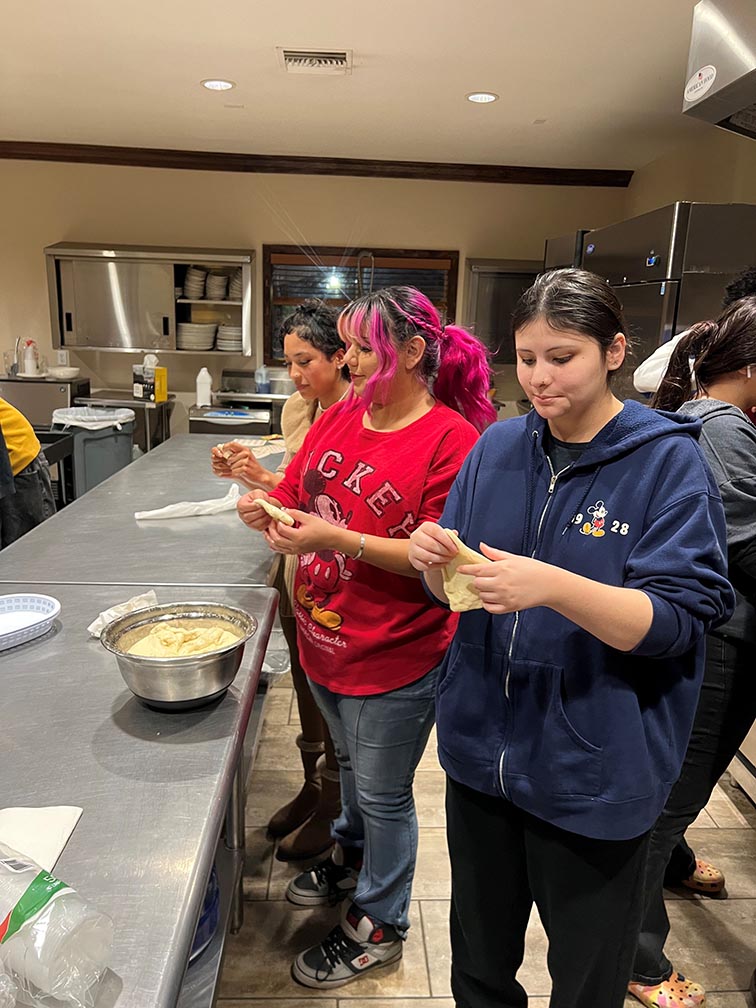
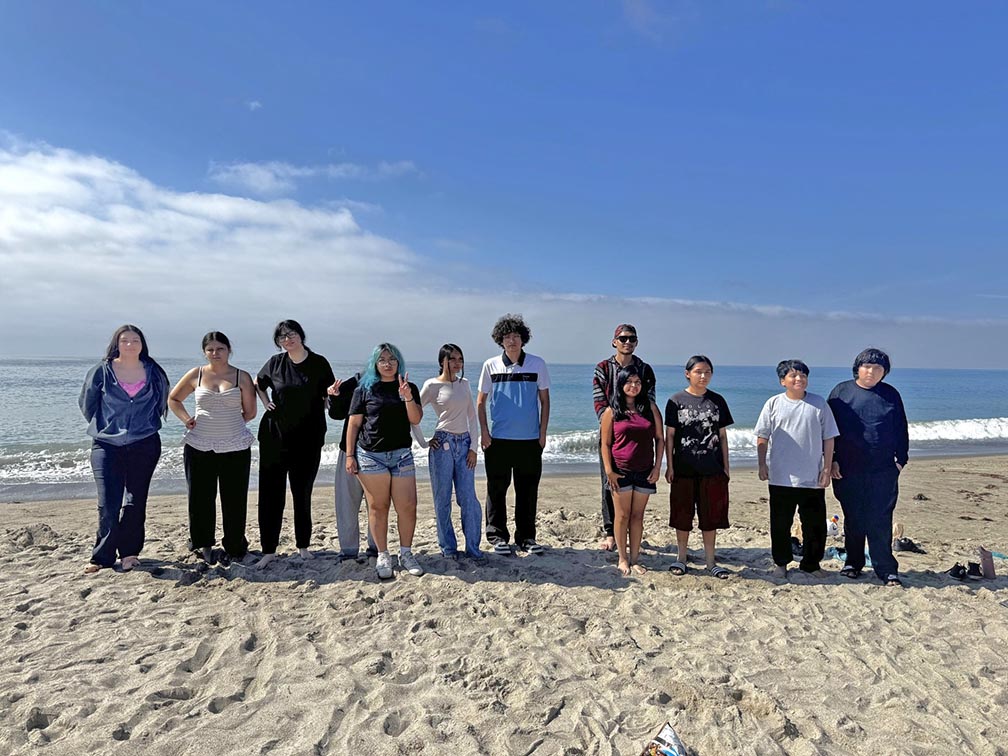
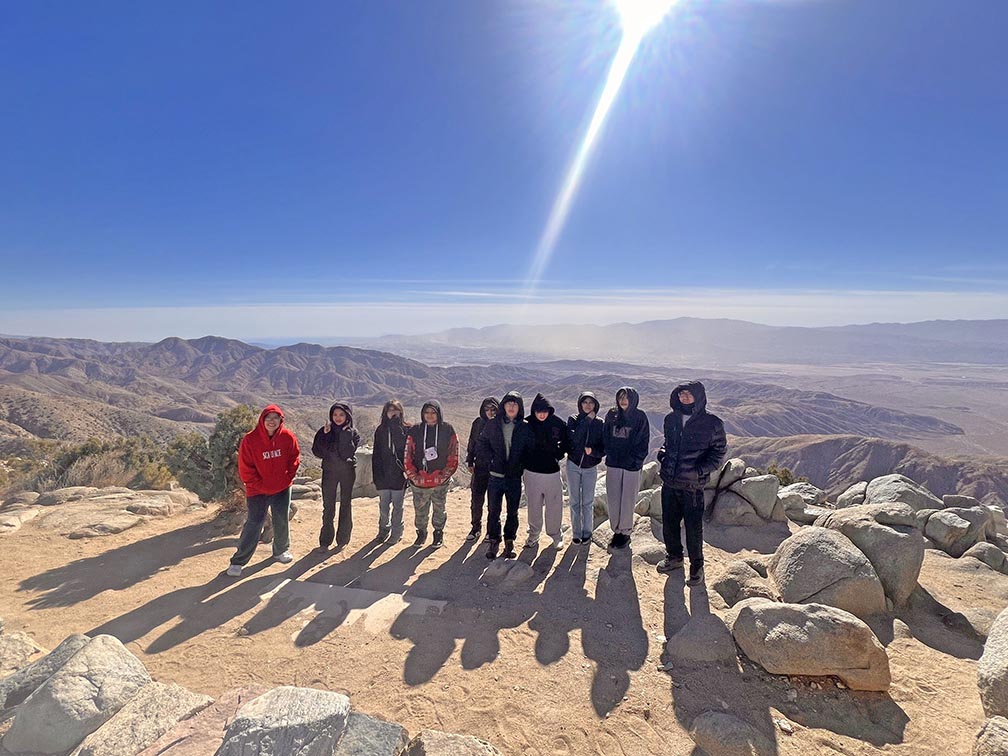
TM-YEA has served dozens of youth aged 12-22 over the past three years. Youth have participated in day trips and overnight camping trips, as well as cultural and conservation workshops that combine Traditional Ecological Knowledge with Western science. The program is helping to create the next generation of environmental stewards.
Due to the positive implications so far, Macatubal and fellow Assistant Conservation Social Scientist Alena Lonetree are expanding the program for the Soboba Band of Luiseño Indians youth. On Jan. 12, they held a focus group at the Soboba Reservation to gauge interest and explain their future plans.
Questions about accessible nature spaces and interest in spending time in nature were asked during the one-hour meeting at the Soboba Sports Complex. Participants were asked to share an important memory of taking part in an activity in nature with loved ones and why it was special.
Noyaaykit Silvas, 13, is a member of the Soboba Youth Council and provided details of her current conservation involvement in her community. She recalled going up to the mountains with family and cousins as an activity she enjoyed.
Shania Guacheno, 14, shared her personal nature experiences as well as those she has experienced through her involvement with Soboba Tribal TANF. She recalled the time she was out with her uncle and papa, and they encountered a rattlesnake.
The Oaks was singled out as a place they would go if they wanted to spend time in nature on the Soboba Reservation. When asked what they do in their daily lives to address environmental problems, both said they recycle whenever possible and make sure lights are turned off when leaving the room. They said they are motivated to make environmentally conscious decisions because they want to keep things clean, allowing everyone to have a positive opinion about their reservation.
When asked why they feel Native voices, particularly Native youth voices, are important in making environmental changes, Shania said, “Because of our history with nature in general to preserve but back then others didn’t have the confidence to speak up.”
Lonetree explained the definition of cultural ecological knowledge as being the deep place-based understanding, practices, and beliefs Indigenous Peoples develop over generations about their local ecosystems, including relationships between people, plants, animals, and landscapes, offering sustainable stewardship for conservation and resource management. It’s holistic, interwoven with culture and spirituality, and provides vital, long-term observations for adapting to environmental change. She then asked how important it was for youth to learn about this and why.
Noyaaykit said it is important so the youth can continue on the right path and make sure everything stays healthy. Shania agreed and said one day people will just forget everything about their culture if it’s not carried on through generations.
When asked what some of the skills they would want to learn to feel more comfortable with spending time in nature, Shania said, “I’d like the ability to build shelter and provide for myself. I would also like to learn what’s not poisonous.”
Macatubal explained more about the Torres Martinez Youth Environmental Ambassadors program, saying they participate in camping, hiking, and workshop opportunities. Lonetree shared that they do many local cultural events, such as sage harvesting and basket weaving.
Shania said she would like to see Native language incorporated into the program and Noyaaykit said she would like to have visits to history museums included to learn more.
TM-YEA consistently meets at least twice a month, and hopes are that a similar program at Soboba will be just as popular. Soboba Youth Council advisor Evelyn Helms looks forward to getting more youth involved in the next meeting with The Living Desert staff.
The program brings together multiple agencies to guide local youth in meaningfully interacting with the local environment, empower them as both stewards of the environment and of their personal well-being, and instill them with experiential capital to better prepare them for success in future careers.
Similarly, although conservation has a long history of not representing the full diversity of the communities around where projects tend to be based, The Living Desert is working to diversify the field of conservation. They strongly feel that reciprocal learning must be a core part of all conservation projects, as it leads to more successful conservation projects that are supported by local communities and are thus more sustainable.
Soboba youth are invited to join the Native American Youth Environmental Ambassadors to connect with the natural world, learn about different conservation topics, go on exciting field trips, and develop leadership skills. For Native youth ages 12-22 wanting to make a change in their community, email imacatubal@livingdesert.org or call/text 909-583-4176 for more information. For general information, please visit www.livingdesert.org/conservation.