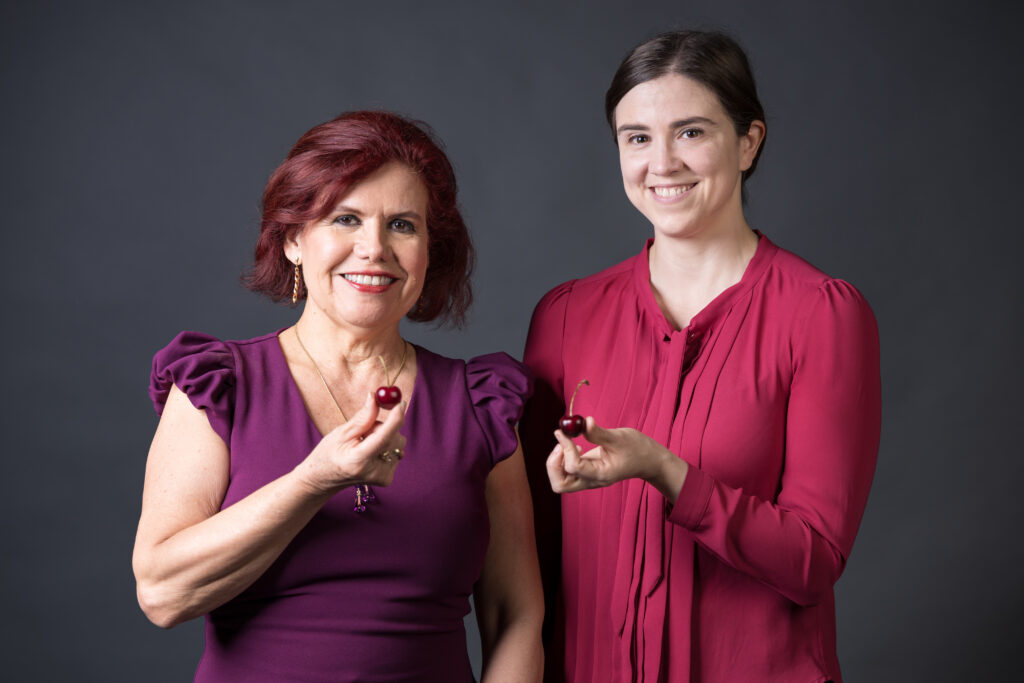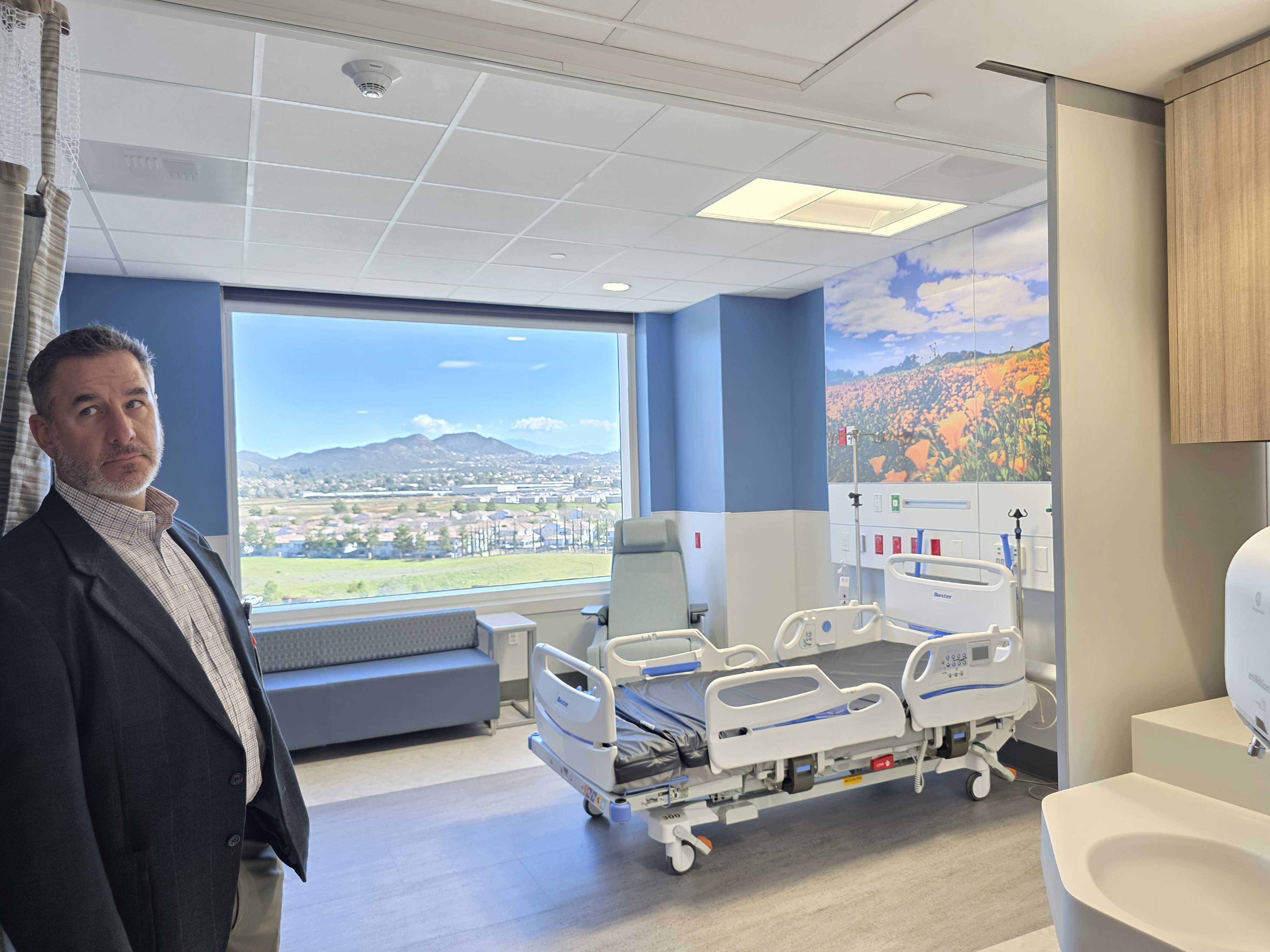
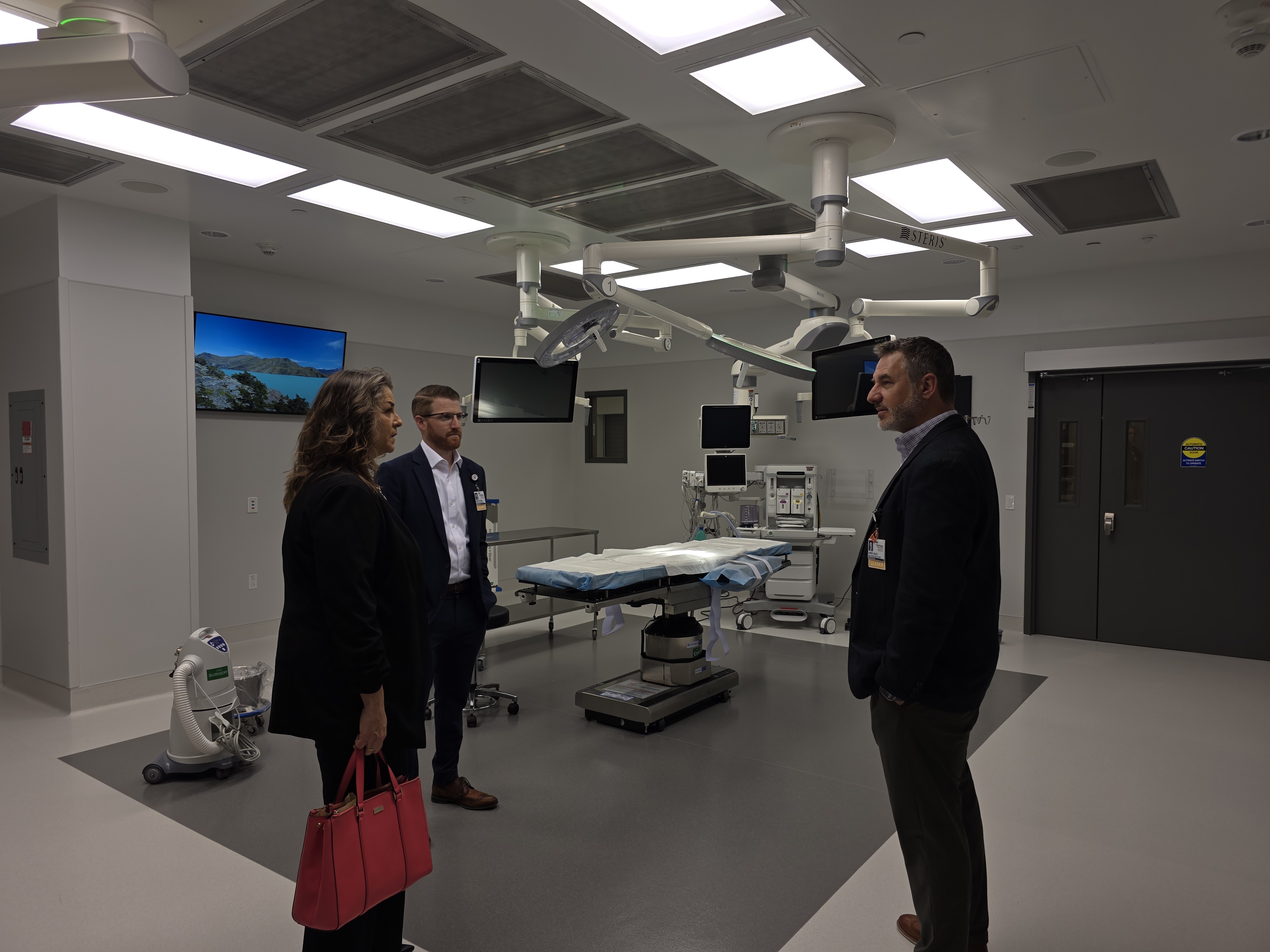
During a tour this week of the new Inland Valley Hospital tower, CEO Jared Giles, COO Bryan Rogers, and Director of Marketing Brian Connors walked the new halls with pride, showcasing a state-of-the-art facility ready to serve Southwest Riverside County — one of the fastest-growing regions in the state.
From a seventh-floor patient room overlooking Interstate 15, the future of health care in the area comes into focus. The new seven-story, 217,444-square-foot tower is designed to do more than expand capacity; it aims to ease long-standing regional bottlenecks and reshape access to advanced acute care after nearly a decade of planning, construction, and $400 million invested.
“I started in 2016,” Inland Valley CEO Jared Giles said, reflecting on a journey that spanned a global pandemic and years of meticulous design. “This area is going to grow exponentially … we are very fortunate to have what we offer right here locally.”
As the hospital prepares to increase capacity from 120 to 202 licensed acute-care beds, a walking tour revealed a high-tech sanctuary designed with both clinical precision and human compassion in mind.
As the only Level II trauma center in the valley, Inland Valley provides 24-hour in-house coverage by general surgeons and prompt availability of specialists, including neurosurgery, orthopedics, and plastic surgery. For most trauma patients, the initial lifesaving care at a Level II trauma center is comparable to that of a Level I center. Highly complex cases may be transferred to Level I facilities such as Riverside University Health System Medical Center in Moreno Valley or UC San Diego Medical Center.
While known as the region’s primary trauma center, Southwest Healthcare Inland Valley Hospital will also serve as a critical hub for cardiac emergencies. While sister facility Temecula Valley Hospital specializes in cardiac care, Inland Valley will now house advanced cardiac catheterization labs, where interventional cardiologists perform lifesaving angioplasty and stenting. Using minimally invasive techniques, specialists navigate thin catheters through the radial or femoral arteries to clear blockages in real time and place mesh stents to keep blood flowing to the heart. This capability allows the hospital to function as a designated STEMI receiving center, providing immediate, gold-standard care for severe heart attacks.
The facility also offers expanded surgical capabilities and specialties, including bariatrics, neurosurgery and a new Mako robotic system for orthopedics that rivals major centers in Los Angeles or San Diego.
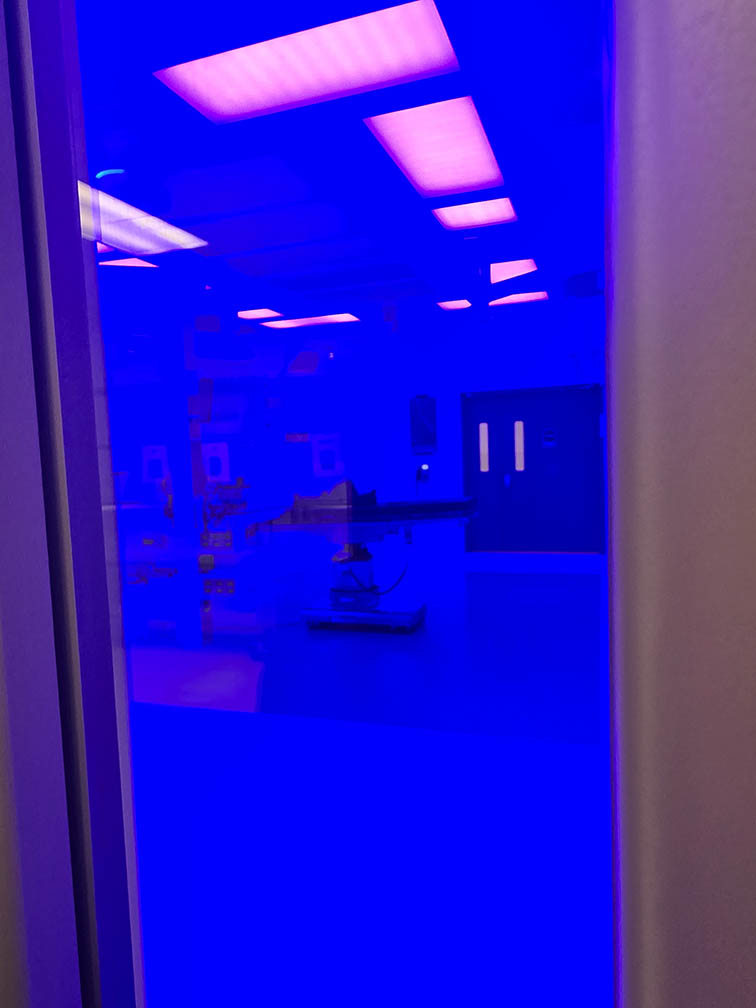
One unexpected feature in the surgical suite corridor is ultraviolet sterilization. When a suite is not in use, a bright blue UV-C light automatically fills the room, disinfecting surfaces between procedures. “The minute you open the room, it goes bright,” a staff member explained during the tour.
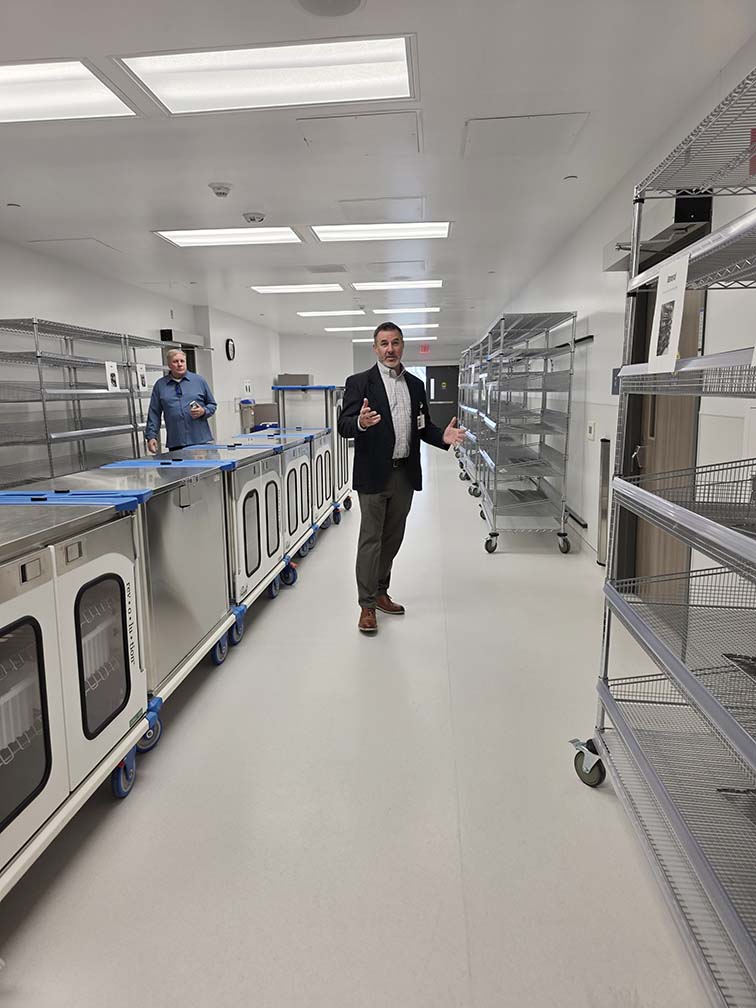
On the surgical floor, inside the sterile core, the traditional nurse-managed supply process has been replaced by digital integration. The facility features a high-speed automated lift system that transports surgical instrumentation packs directly from the sterilization department to operating suites with the exact instruments each surgeon requests.
The new Pyxis medication systems represent a leap in safety, tied directly into electronic medical records to ensure the right drug reaches the right patient at the right time.
“Everything is connected digitally,” Giles explained, noting that the system uses advanced analytics to track patterns and prevent discrepancies. “It’s inventory control. It’s documentation control … we legitimately catch any type of discrepancy.”
The tower also addresses a critical regional challenge: emergency department boarding. “On Monday, we had a hundred patients in the ER at one time,” Giles said. “You’d say, ‘I need a bigger ER.’ No, you need more beds upstairs. The tower solves this. The expansion adds inpatient capacity, reducing wait times for patients admitted through the emergency department.”
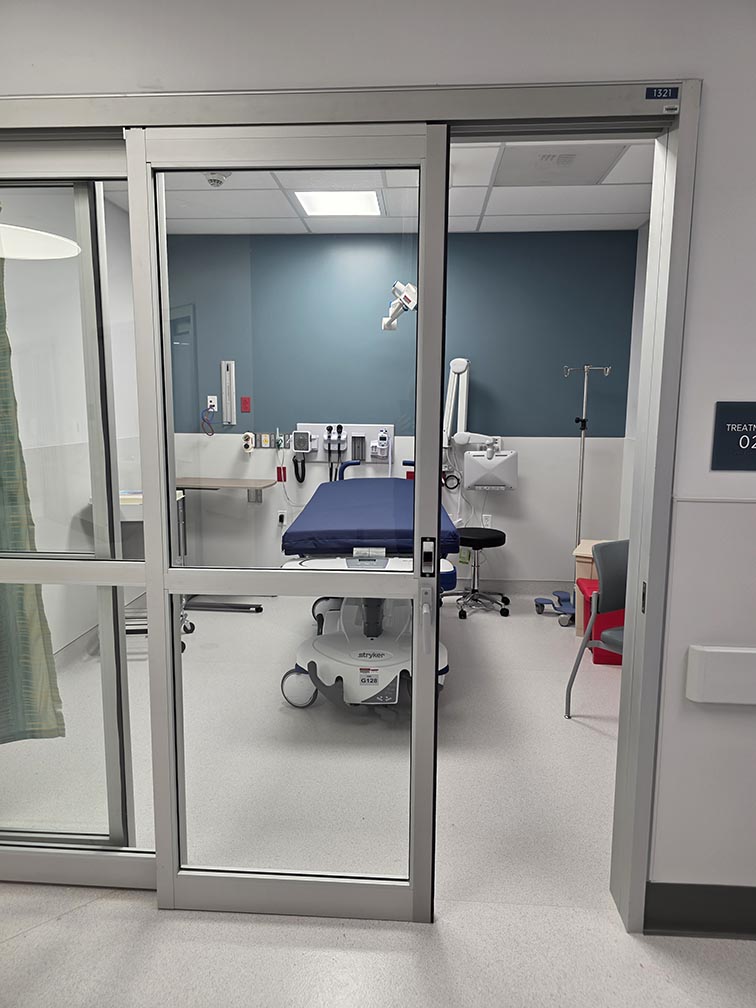
The new emergency department is a major upgrade, featuring glass-enclosed bays that replace traditional curtains. “These suites provide more privacy and mute the sound of a busy trauma center and patients who may be loud,” Giles said.
The department also includes specialized rooms for patients experiencing mental-health crises, designed to provide a safe, dignified stabilization environment with large observation windows directly facing the nurse’s station.
While the technology is cutting-edge, the heart of the hospital remains local. The facility features artwork throughout by local photographer Jimmy Fu, whose landscape photography was donated by his family to adorn the hospital walls.
For residents of Southwest Riverside County, the message from hospital leadership is clear: the days of driving to Los Angeles or San Diego for specialty care are coming to an end. With world-class surgeons such as bariatric specialist Dr. David Sa — who draws patients from as far as Nevada — the region has become a medical destination.
“There is no reason to get health care outside of your backyard,” Giles said. “Between the hospitals that are here and the specialties that we have … we are very blessed.”
The community is invited to a Preview Tour on Saturday, February 21, 2026, from 10 AM to 1 PM. It will be an exclusive “first look” for the public before the tower becomes a sterile clinical environment in March.