Soboba Band of Luiseño Indians
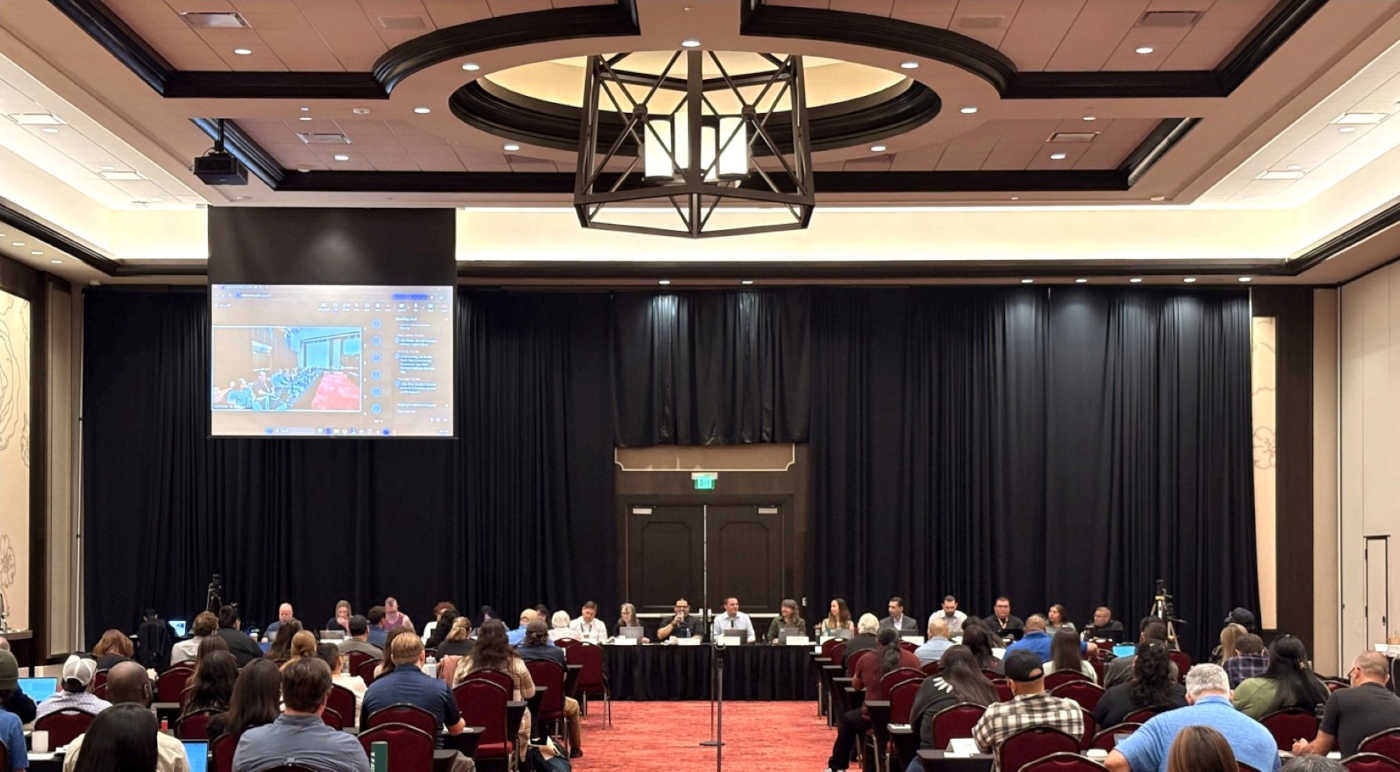
From June 15-17, the Soboba Tribal Environmental Department (STED) hosted the Spring 2026 Regional Tribal Operations Committee (RTOC) meeting at the Soboba Casino Resort Event Center.
The EPA Pacific Southwest (Region 9) RTOC is a partnership between the U.S. Environmental Protection Agency and federally recognized Tribal Nations in Arizona, California, Nevada and the Pacific Islands. The committee promotes Tribal sovereignty, supports Tribal environmental protection programs and provides a forum for government-to-government consultation on environmental priorities affecting Tribal lands.
STED Environmental Director Christian Aceves said the RTOC brings Tribal leadership together with EPA officials to collaborate on environmental policy, program design and regional issues.
About 70 people attended the first day in person. Attendance grew to about 105 onsite participants and 60 virtual attendees on the second day. Participants included Tribal environmental directors, coordinators and elected leaders, EPA staff and administrators, and nonprofit and university partners.
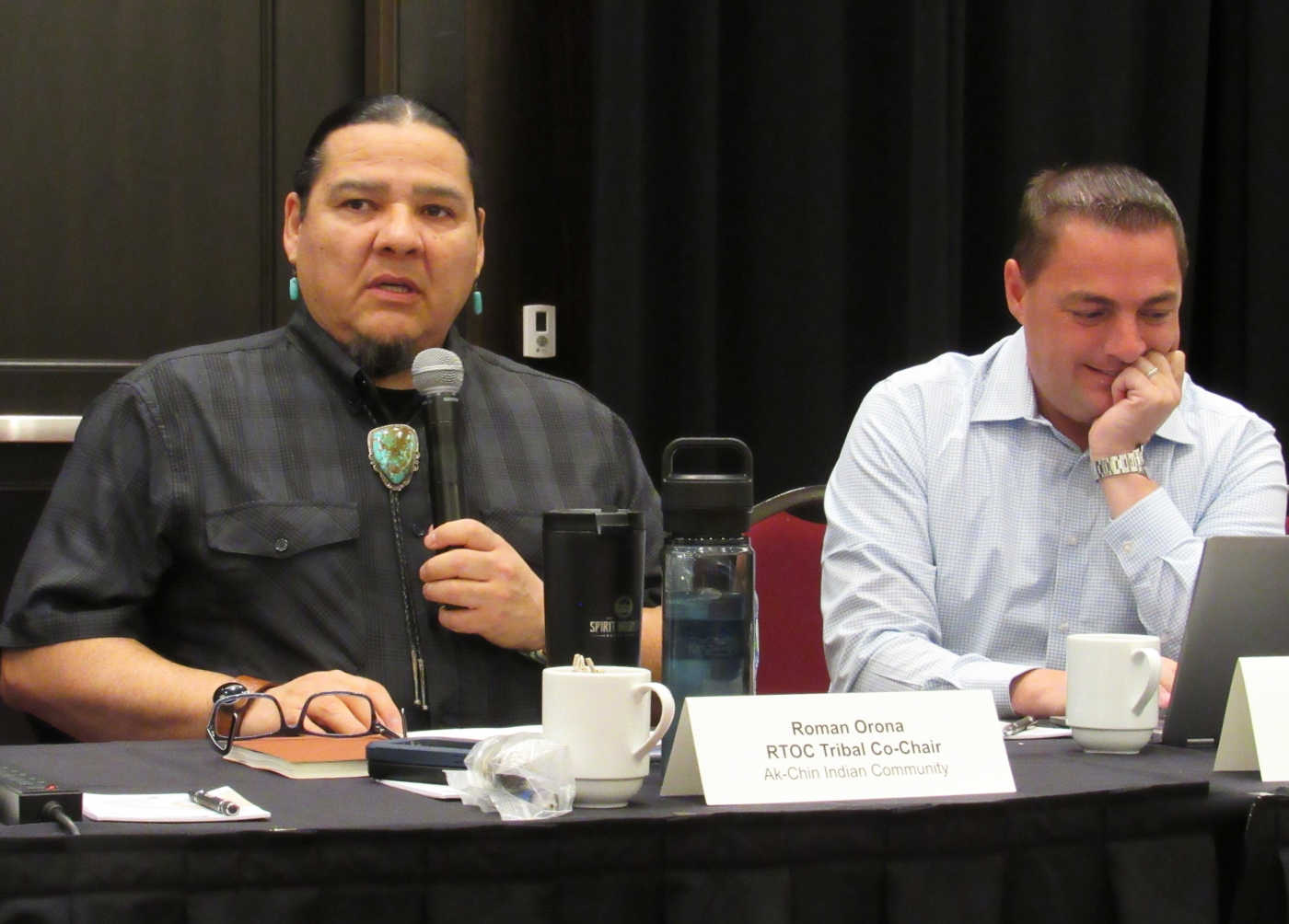
Facilitating the event were RTOC Tribal Co-chair Roman Orona of the Ak-Chin Indian Community and EPA Region 9 Acting Regional Administrator Mike Martucci.
Martucci told attendees their concerns regarding Quality Assurance issues had been heard.
“We want you to know that we are committed to continuing to support you in the ways that we can and in ways that you need us to support you so that you can achieve your environmental goals,” he said. “We want to understand how we can serve you best.”
Orona emphasized that Tribal environmental work extends beyond employment.
“It’s a responsibility in our relationships, not only with each other as humans but more specifically with our relatives of the land, and the air and the water,” he said. “We are all going to be ancestors one day and what is your legacy going to be? I hope we get to the point where the Tribal voice is truly being heard and considered.”
Aceves said Soboba was asked to host the meeting again after successfully hosting the Summer 2024 RTOC.
“This is easily the largest gathering of Tribal environmental professionals in Region 9, second only to the full EPA Annual Conference,” Aceves said. “The RTOC serves as a vital forum where Tribal professionals and EPA officials engage in true government-to-government consultation.”
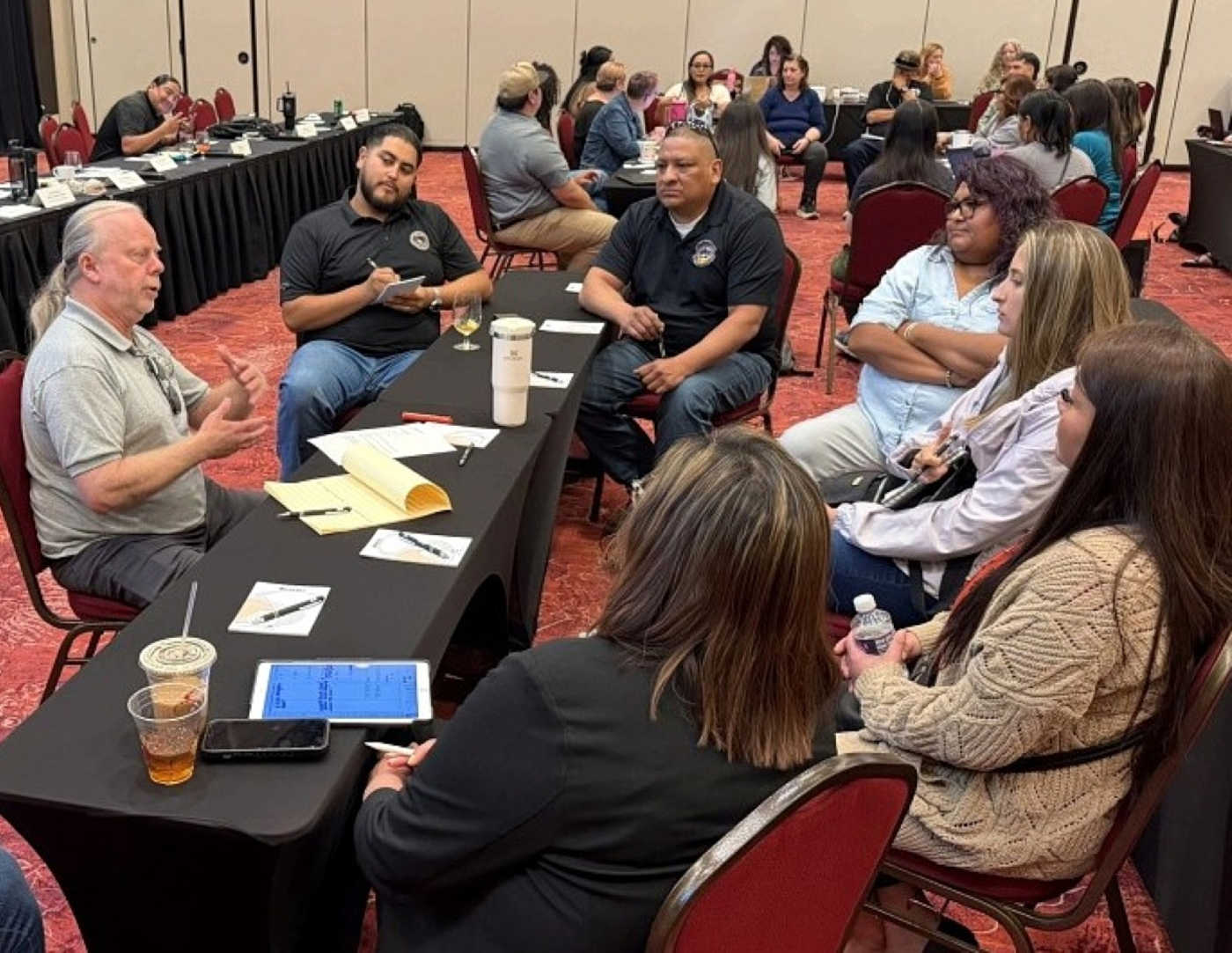
The committee focuses on EPA Indian program policy and management, coordination among Tribes and agencies, and environmental education. Throughout the three-day meeting, participants attended a Tribal Caucus, plenary sessions, breakout workgroups and site visits. Action items discussed receive written responses from both the EPA and the proposing Tribe before the next quarterly meeting.
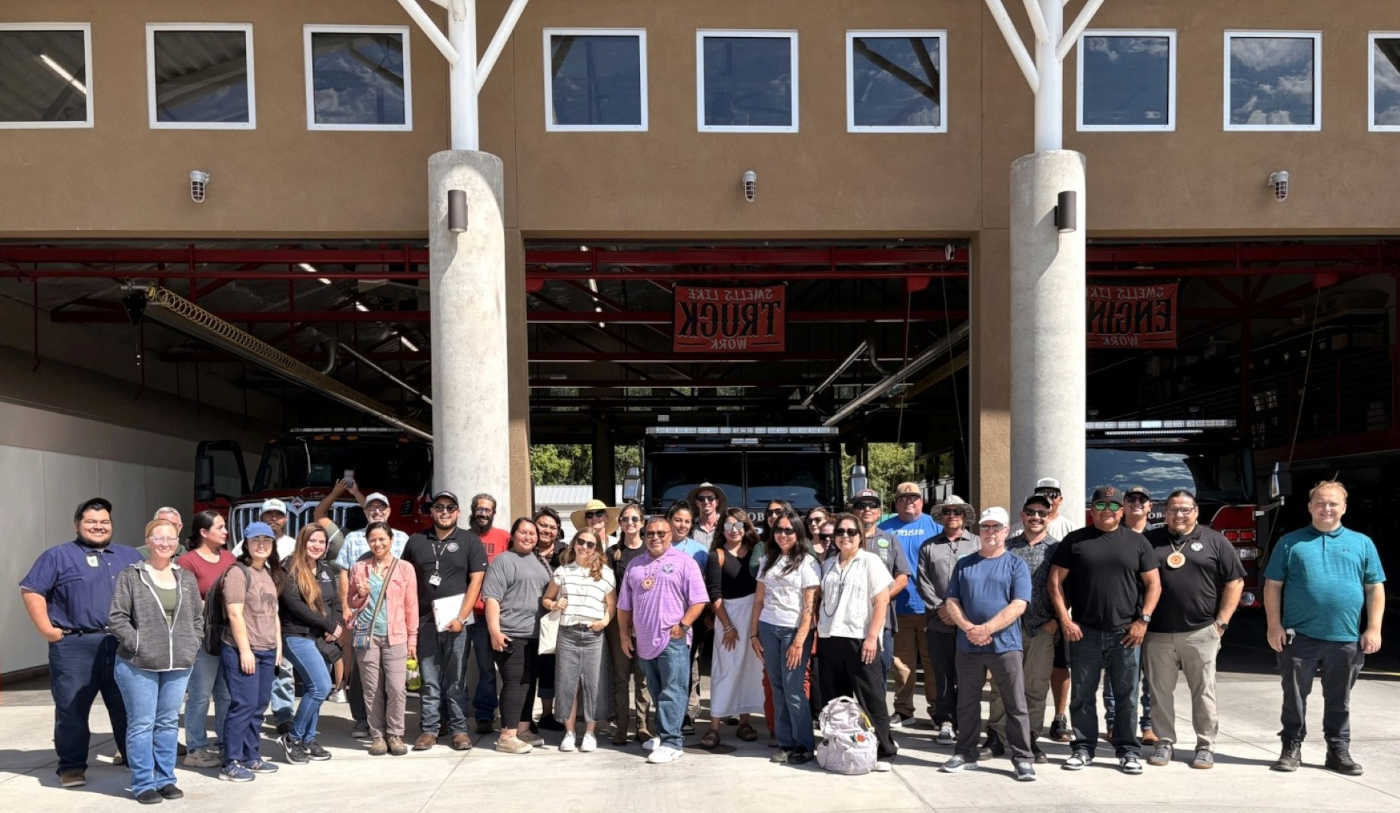
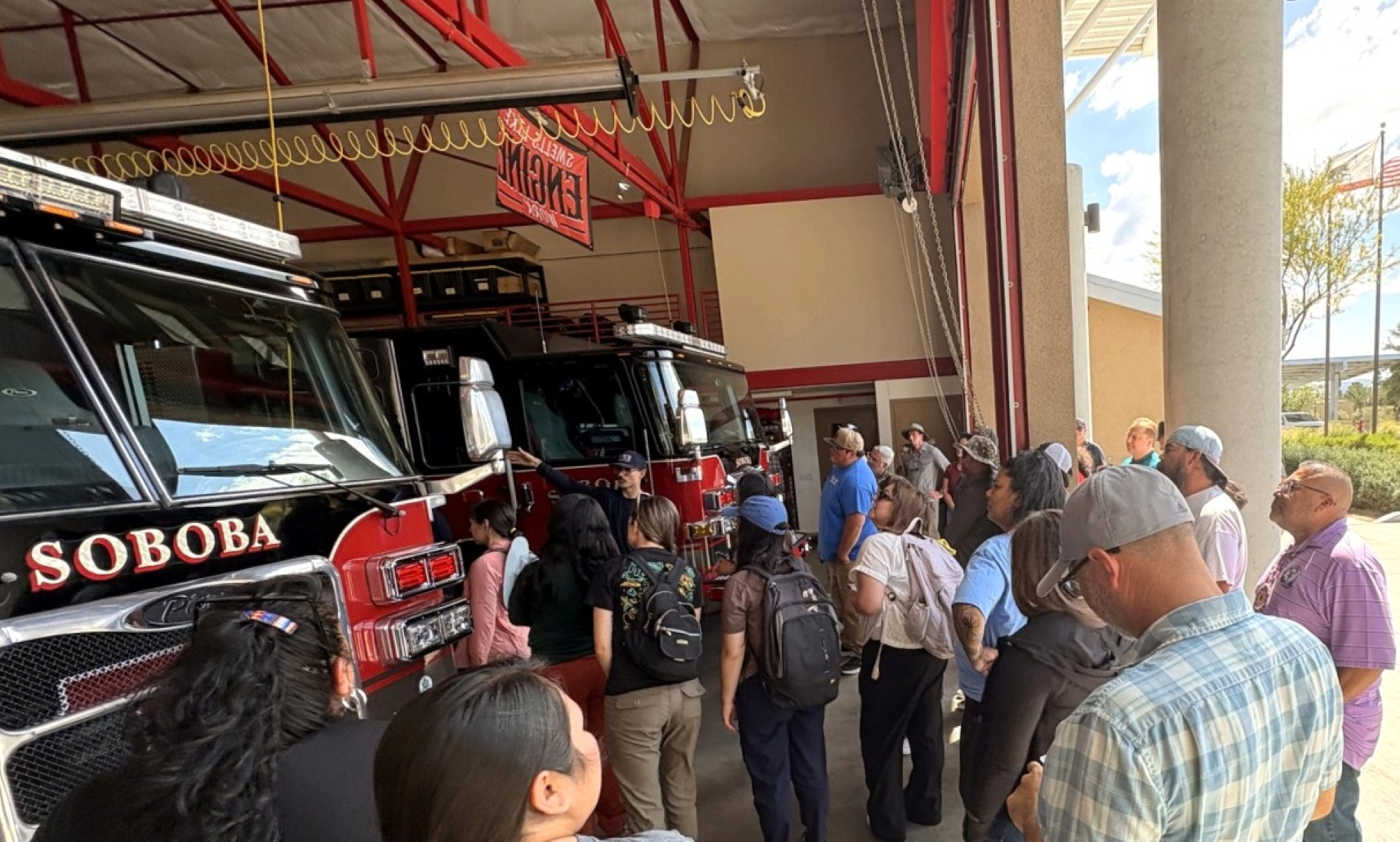
The opening day included a welcome from Aceves and a tour of Soboba’s environmental initiatives, highlighting the Tribe’s General Assistance, Clean Water and Waste Management programs, along with its commitment to energy sovereignty. Attendees visited Soboba’s three major solar installations, including the casino rooftop array, Fire Department carport system and Soboba Solar Fields.
Many attendees said seeing the projects firsthand helped them envision similar renewable energy efforts within their own Tribal communities.
A virtual presentation by EPA Assistant Administrator for the Office of International and Tribal Affairs Usha-Maria Turner prompted discussion over the EPA’s proposal to reduce RTOC meetings from four to two annually.
“In-person gatherings offer richer engagement than virtual meetings, especially for Tribes in rural areas with limited internet access,” Aceves said. “Reducing meetings risks silencing voices and weakening government-to-government connection.”
Aceves said one of the week’s highlights was showcasing Soboba’s environmental programs and Geographic Information Systems technology, which the Tribe uses for wildlife tracking, identifying illegal dumping sites and monitoring environmental conditions across the reservation.
“Sharing these tools and approaches with other Tribes felt empowering,” Aceves said. “By opening the door to our methods, we help strengthen Tribal environmental capacity across the region. At the end of the day, we’re all working toward the same goal: healthier lands, healthier people, and a stronger future for our communities.”
For more information, visit https://epa.soboba-nsn.gov.